
Creatine for Women: Benefits, Myths and How to Take It
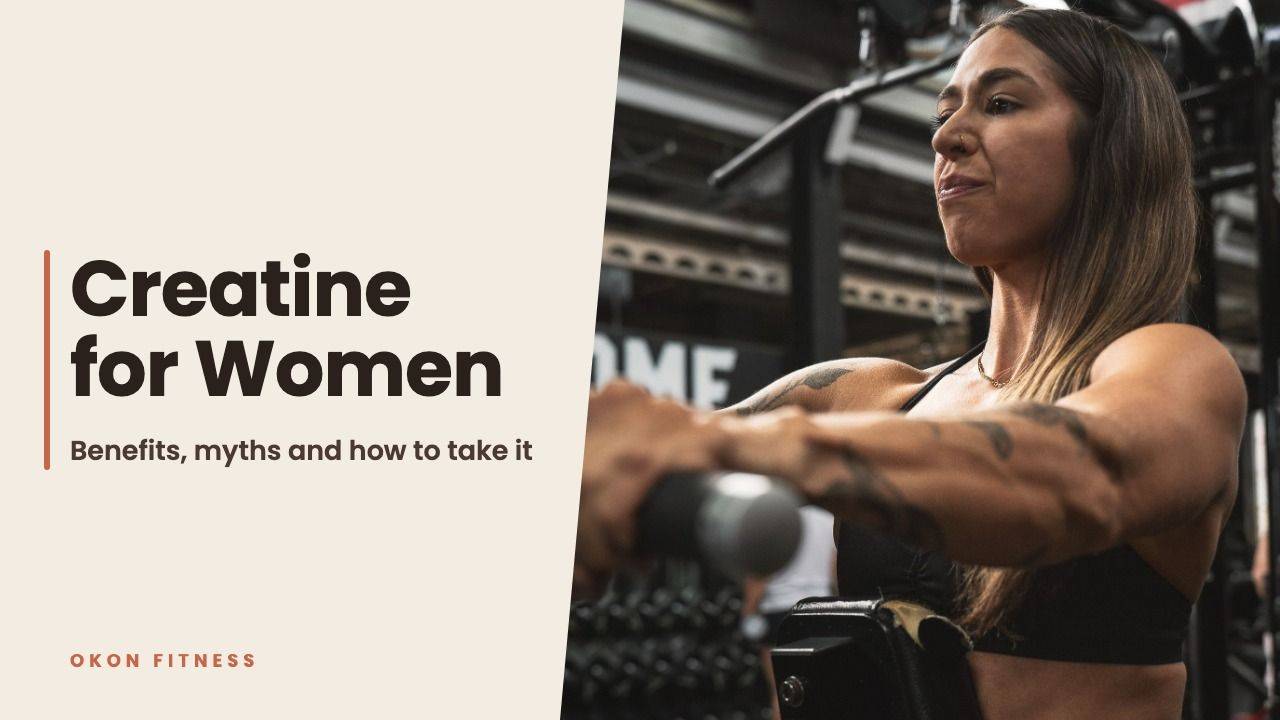
Creatine is everywhere right now, and for good reason. It's one of the most researched supplements in the world, it's cheap, and it isn't just for bodybuilders. But I still get the same questions from my clients every week: Will it make me bulky? Will I bloat? Is it safe?
I've coached women since 2016, and creatine is one of the very few supplements I actually recommend. Here's what you need to know.
What is creatine?
Creatine is a compound your body already makes, and you get small amounts from foods like red meat and fish. It's stored in your muscles and helps them make quick energy for short, hard efforts, like your last two reps of a squat or a sprint up the stairs.
Women tend to have lower creatine stores than men, and we often eat less red meat. So we may notice the benefits even more when we supplement.
5 benefits of creatine for women
1. More strength in the gym
Creatine helps you squeeze out an extra rep or two and recover a little faster between sets. Over weeks and months, that adds up to more strength and more muscle.
2. Help keeping muscle as you age
We naturally lose muscle as we get older unless we train for it. Creatine paired with strength training can help you build and keep it, which matters for your metabolism, posture and independence later in life.
3. Support for your bones
Early research suggests creatine plus lifting may help support bone health in women after menopause. It isn't a replacement for lifting, calcium or vitamin D, but it's a promising bonus.
4. Brain and mood support
Your brain uses creatine too. Studies are looking at its role in focus, memory and mood, especially when you're short on sleep. The research is still growing, but it's one reason so many women are talking about it.
5. It's simple and affordable
One scoop a day, no cycling, no fancy timing. A month's supply usually costs less than a couple of lattes.
Myths I hear all the time
"Creatine will make me bulky." No. Creatine doesn't build muscle on its own. Your training and your food do that. It just helps you train a little harder.
"Creatine makes you bloated." Creatine pulls water into your muscles, not under your skin. Some women see the scale go up 1 to 3 pounds in the first few weeks. That's water in the muscle, not fat, and it usually levels off.
"You have to do a loading phase." You don't. A loading phase just gets your stores full faster. Taking a daily dose gets you to the same place in about 3 to 4 weeks with less chance of an upset stomach.
How to take creatine
- Type: creatine monohydrate. It's the most studied and the cheapest. Skip the expensive blends.
- Dose: 3 to 5 grams a day is the standard dose for most women.
- Timing: whenever you'll remember it. Every day matters more than the time of day, rest days included.
- How: stir it into water, coffee, your protein shake or yogurt. It's flavorless.
- Quality: look for a third-party tested product (like NSF Certified for Sport or Informed Sport) so you know what's in the tub.
- Water: keep drinking plenty of water. You should be doing that anyway.
Who should check with their doctor first
Creatine is considered safe for healthy adults, but talk to your doctor before starting if you have kidney disease, you're pregnant or breastfeeding, or you take medications that affect your kidneys.
Frequently asked questions
Will creatine make me gain weight?
You may see a small bump of 1 to 3 pounds of water in your muscles at first. That's not fat gain, and it's a sign the creatine is getting where it needs to go.
Do I need creatine if I'm not lifting?
You'll get the most out of it if you strength train. If you're not lifting yet, that's the first thing I'd add, not a supplement.
Can I take creatine during perimenopause or menopause?
Yes, and this is a stage where many women find it most helpful, because it's when muscle and bone loss speed up. Read more in my post on perimenopause weight gain.
The bottom line
Creatine won't do the work for you, but it's one of the best tools to help you get more out of the work you're already doing. Pair it with strength training and enough protein and you've got a winning combo.
Want a plan built for you? My VIP Lifestyle Program gives you a custom training plan, your macros and 1:1 coaching. Book a free call with me and let's talk about your goals.
This post is for education only and isn't medical advice. Check with your doctor before starting any new supplement.
Want to understand how I use macro tracking to eat intuitively while staying in shape? Get the macro cheat sheet guide.
I worked with my team to put together a quick list of some of the most common foods so you are able to reference this as you are focused on maintaining a healthy lifestyle. Simple. Easy. Effective.
